Programme insights and regional context
Launched in 2017 and led by the European Commission’s Directorate-General for Enlargement and Eastern Neighbourhood (DG ENEST) - formerly the Directorate-General for Neighbourhood and Enlargement Negotiations (DG NEAR) - the EU4Youth programme was developed to increase investment in young people’s skills, entrepreneurship and employment opportunities, and to encourage active youth engagement in democratic life.
EU4Youth Programme structure

As reflected in the report’s chapters, the programme is structured around three key pillars:

Education and Employability
Strengthening the employability of young people in the region through the targeted development of skills. This pillar includes capacity building of both local and regional stakeholders to foster education and employment opportunities and to strengthen young people’s competence development and employability.

Entrepreneurship and Employment
Increasing the entrepreneurial, green and digital skills of young people by promoting (social) entrepreneurship among youth and youth employment stakeholders in the region. Understanding what young people need to secure employment and improving youth policy design through evidence-based policy recommendations, are key elements of this pillar.
Engagement and Empowerment
Enhancing young people’s participation in society by increasing youth awareness in terms of national policy developments. This pillar aims to contribute to improvements in youth policy design and help to strengthen young people’s capacity in terms of civic participation.
Current EU4Youth projects
Through its projects, EU4Youth promotes the active participation of young people in society and the economy in the EaP countries, providing capacity building and policy support to national stakeholders in the fields of youth education, employment and empowerment.
The programme is currently implemented through three large ongoing projects.
- EU4Youth - Coordination and Policy Support – EY 2023-2026
Provides coordination and policy support for the programme, in alignment with EU and national policy priorities by supporting strategic partnerships, programme monitoring and successful communication across the Eastern Partnership region. The project also coordinates the EU4Youth Alumni Network, provides sectoral expertise for better alignment with policies and initiatives, and supports key thematic activities targeting young people.
- EU4Youth - Youth Employment and Entrepreneurship – CPVA 2021-2025
Co-financed by Lithuania and implemented by the Central Project Management Agency (CPVA), the project promotes the active participation of youth in both democratic life and labour markets. Building the structural capacities of key institutions, activities cover partnerships among public employment services and other stakeholders to address youth employment issues, promoting youth involvement and facilitating knowledge transfer and exchange with the EU experience on the Youth Guarantee.
- EU4Youth - Youth Engagement and Empowerment – GIZ 2023-2025
Implemented by GIZ, with co-financing from Germany, the project seeks actively to involve young people in policy dialogue and decision-making processes. It does so by strengthening the ability of youth organisations and public institutions to engage in participatory and structured policy dialogue at local, regional and national level, while also improving the quality and outreach of youth work in the region.
Current EU4Youth grant schemes
The EU4Youth programme is funding a number of targeted grant schemes to support local actors working in the field of youth.
Since 2023, seven regional grants are being implemented under the EU4Youth - Youth Employment and Entrepreneurship project, focusing on supporting youth employment and entrepreneurship in the green and digital economies.
In addition to the regional grants, EU4Youth provides a total of EUR 2 million in direct funding to civil society organisations (CSOs) in Ukraine, supporting resilience and empowering youth to take an active part in rebuilding their economy and society. The six direct grants in the country provide support to youth centres, assistance for persons with disability, rehabilitation for young veterans, as well as investments in post-conflict education and recovery efforts.
A new wave of small grants was launched in 2024 under the EU4Youth - Youth Engagement and Empowerment project to facilitate innovative pilot projects at the local level, focusing on climate change, the inclusion of disadvantaged youth, and country-specific topics such as young people’s participation in the recovery of Ukraine.
EU4Youth scholarships and fellowships
EU4Youth offers fully funded scholarships and fellowships at the College of Europe – Natolin, supporting young leaders from the EaP countries in becoming future changemakers and promote cultural exchange and learning.
Since 2021, scholarships have supported 57 young people from the Eastern partner countries enrolled in European Interdisciplinary postgraduate studies at the College of Europe in Natolin, increasing their understanding of European politics and governance, and fostering multi-cultural learning.
Regional context for youth education, employment and participation
In 2024, EU4Youth demonstrated its strong capacity to navigate challenging political developments in the region, while continuing to play a vital role in creating opportunities and empowering young people’s voices.
Youth amidst the ongoing war in Ukraine
The ongoing Russian full-scale war of aggression against Ukraine continued to force the EU4Youth programme to adapt to increasingly challenging conditions, including resource shortages amidst an intensified military mobilisation. Nevertheless, projects largely managed to continue their actions, ensuring vital support to youth, including to those directly affected or displaced by the war.
Democratic backsliding and repression of civil society
According to CSO meter monitoring reports, the EaP region in 2024 observed further repression of civil society in Azerbaijan and Belarus, as well as democratic backsliding and deteriorations in basic freedoms in Georgia.
Amidst legal and technical challenges, grant projects in Azerbaijan were not able to register in 2024, leading to the suspension of all grant activities in the country, while the programme overall kept facing difficulties to engage with youth stakeholders.
EU-Belarus relations further deteriorated in 2024, prompting the EU to recalibrate its assistance fully away from the central authorities and impose restrictive measures against the authoritarian regime, while increasing its support for the Belarusian people. State suppression of civil society continued to massively limit EU4Youth activities in the country, narrowing the possibilities to effectively support and engage with young people.
EU4Youth support in Georgia also faced an increasingly challenging environment in 2024 following the adoption of the Law on transparency of foreign influence, which stigmatises and complicates activities for CSOs and media that receive foreign funding.
Following the adoption of the law in May 2024, mass protests erupted in the country and intensified again after accusations of irregularities in the parliamentary elections in October 2024. Protests were largely driven by youth, underscoring the democratic values and pro-European sentiment of many young people in the country. The largely peaceful protests were met with an increasingly violent crackdown on fundamental freedoms, with enforcement authorities forcibly dispersing and detaining protestors.
Given these worrying developments, the EU pronounced on a de facto halt in the EU accession process for Georgia in 2024, noting that Georgia’s EU trajectory was severely affected by insufficient political commitment to implement reforms, as well as the adoption of the foreign agent law, and anti- EU narratives from Georgian officials. Following the elections, the Georgian government announced the suspension of the country’s EU accession process until 2028, prompting a new wave of mass protests.

Positive developments in the region
Notwithstanding the deteriorating situation In Azerbaijan, Belarus and Georgia, there have also been promising developments in the region, with Armenia, Moldova and Ukraine reinforcing their efforts to strengthen civil society, empowering young people and fostering inclusive youth participation in decision-making processes.
In 2024, Moldova and Ukraine reaffirmed their commitment towards EU membership, showing important progress on their path towards EU integration. Following the decision to grant candidate status to both countries in 2022, the EU formally opened accession negotiations with Moldova and Ukraine in June 2024. In October 2024, Moldovans further underscored their desire for a European future in a constitutional referendum on EU accession.
In the coming years, the EU4Youth programme will continue to reinforce ties between young people across the EU and the two candidate countries, while also providing crucial policy support to assist Moldova and Ukraine in their EU accession process, particularly in relation to Chapter 26 on education and youth.
Demonstrating Impact: EU4Youth results in 2024
Addressing skills gaps and improving youth employability across the EaP region, EU4Youth has upskilled more than 7,500 young people in 2024, focusing on entrepreneurial, digital and green skills. At the same time, the programme has increased the capacity of local stakeholders to provide better services.
More than 700 trainers and 300 mentors were trained, delivering over 3,800 competence development activities and providing career counselling to more than 1,900 young mentees in the region.
More than 200 educational resources were developed, guiding formal and non-formal learning in schools, at home, and in youth centres
The programme also strengthened young people’s employability through scholarships and fellowships, promoting mobility opportunities and facilitating work-based learning.
Over 300 young people participated in internships, volunteering with local CSOs, gaining first- hand experience in the public sector, and taking part in labour-market reintegration initiatives for veterans.
Fifteen young students from Armenia, Azerbaijan, Moldova and Georgia graduated from the 2023/2024 College of Europe programme at the Natolin campus thanks to scholarships provided by EU4Youth; 18 additional scholarship recipients were able to start the academic year 2024/2025, including four students from Belarus and two students from Ukraine.
Eleven young scholars from the EaP countries, including eight bright young women, were awarded the EU4Youth Natolin fellowship in 2024 to support their academic and professional development.
Fostering youth employment and entrepreneurship, EU4Youth moreover combined direct support to youth with institutional partnerships and policy support.
Throughout 2024, EU4Youth piloted innovative local initiatives involving more than 400 external stakeholders to foster entrepreneurship amongst youth.
The programme engaged more than 70 institutions, such as Public Employment Services (PES), ministries and youth agencies in employment partnerships to reinforce mutual learning and support the development of better policy frameworks.
Over 20 policy discussions related to entrepreneurship and youth employment were facilitated by EU4Youth in 2024. Based on these policy discussions, more than 100 policy recommendations were developed with the support of the programme.
To support youth engagement and empowerment in the region, the EU4Youth programme focused on enhancing the quality and outreach of youth work, while also reinforcing participatory youth structures at national and local levels.
In total, 24 capacity-building programmes for government and youth organisations were implemented in 2024, directly benefitting over 500 institutions.
33 youth organisations in Armenia, Georgia, Moldova, and Ukraine received EU4Youth grants of up to EUR 15,000 each to implement innovative projects focused on reaching young people with fewer opportunities. Over the following year, these grants will support inclusive youth engagement, while also reinforcing capacity building and cooperation among stakeholders.
EU4Youth also awarded grants to national youth councils and youth associations to drive participatory youth dialogue at the national and local levels. As a result, a total of 1,771 young people learned about national policy developments, while nearly 200 youth remained involved in policy processes after taking part in activities funded by EU4Youth.
Finally, the programme actively involved young people in community initiatives through the EU4Youth Alumni Network, creating a ripple effect of youth empowerment through peer-to-peer engagement.
In 2024, The EU4Youth Alumni Network welcomed 60 young people from Armenia, Azerbaijan, Georgia, Moldova and Ukraine. As part of the network, the Alumni worked with mentors to advance their leadership skills and design and implement impactful community projects. Over 25 local initiatives have been rolled out, benefiting over 600 young people across the EaP region.
Key EU4Youth events in 2024
January
February
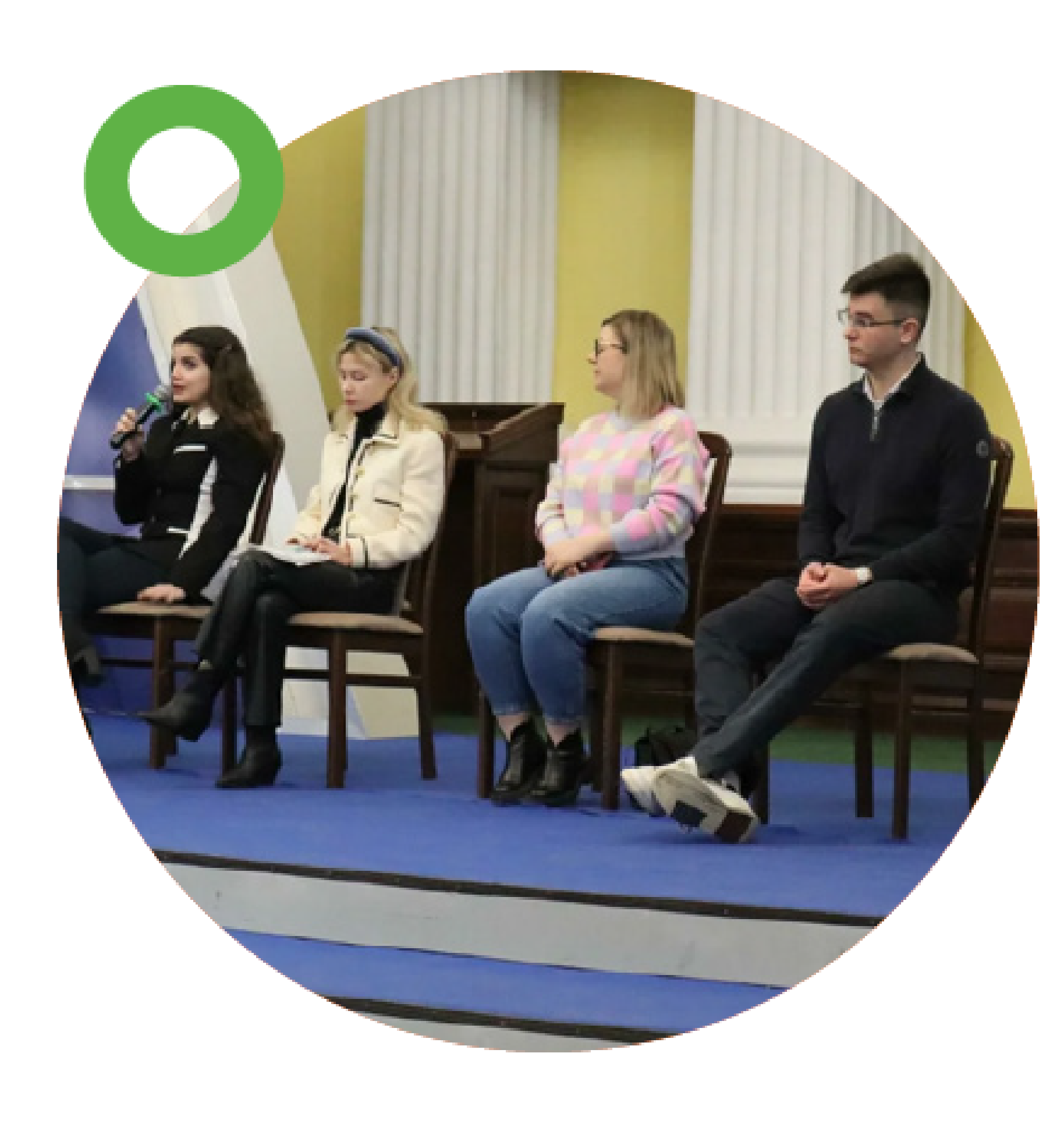
EU4Youth at the Youth Forum by Ukrainian Youth Councils Association
Supported by EU4Youth, The Youth Forum gathered more than 70 participants from 22 regions of Ukraine to strengthen collaboration among regional youth councils and enhance their capacity in wartime conditions.
March
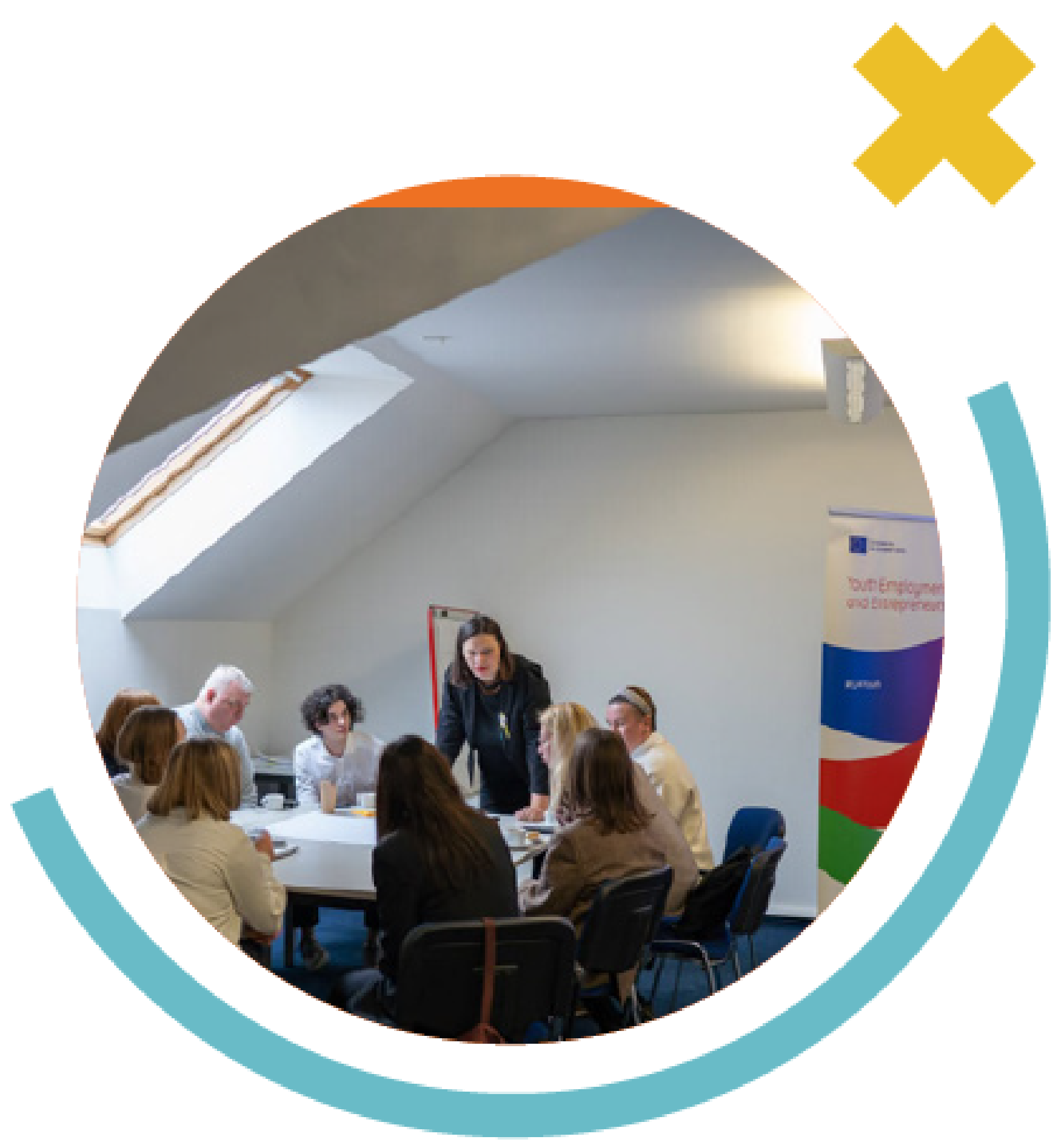
EU4Youth Study visit of Ukrainian grant partners to Lithuania on 12-13 March
The study visit facilitated information exchange between the direct grant projects, Lithuanian NGOs, as well as government agencies involved in Ukraine’s recovery efforts.
April
EU4Youth at the Ukrainian Mykhailo Dragomanov State University
EU4Youth held a series of open lectures on education at the Ukrainian Mykhailo Dragomanov State University and presented the ‘EU4Youth: Youth employment and entrepreneurship - supporting Ukraine!’ report
EU4Youth Alumni Network hosts IdeaLab in Tbilisi
Alumni gathered in Tbilisi to build their skills, make new connections, and learn from experienced mentors.
May
Official launch of the website of the Youth Agency of Moldova
The National Youth Agency of Moldova launched its new website tineret.gov.md with the help of EU4Youth.

June
EU4Youth at the Moldova Youth Forum 2024
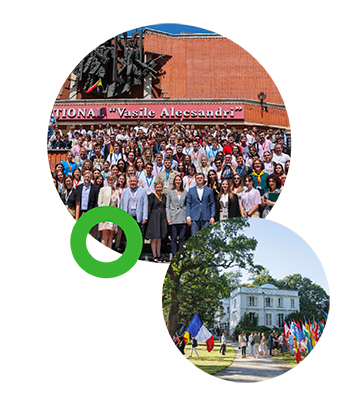
300 young people gathered in Bălți to participate in the Moldova Youth Forum, which featured engaging panels and workshops on topics such as European integration, regional security, and youth entrepreneurship.
EU4Youth CoE Natolin graduation ceremony
With the help of the EU4Youth scholarship, 15 students from Armenia, Azerbaijan, Moldova and Georgia graduated from the 2023/2024 cohort in 2024.
July
EU4Youth at the All-Ukrainian Youth Forum
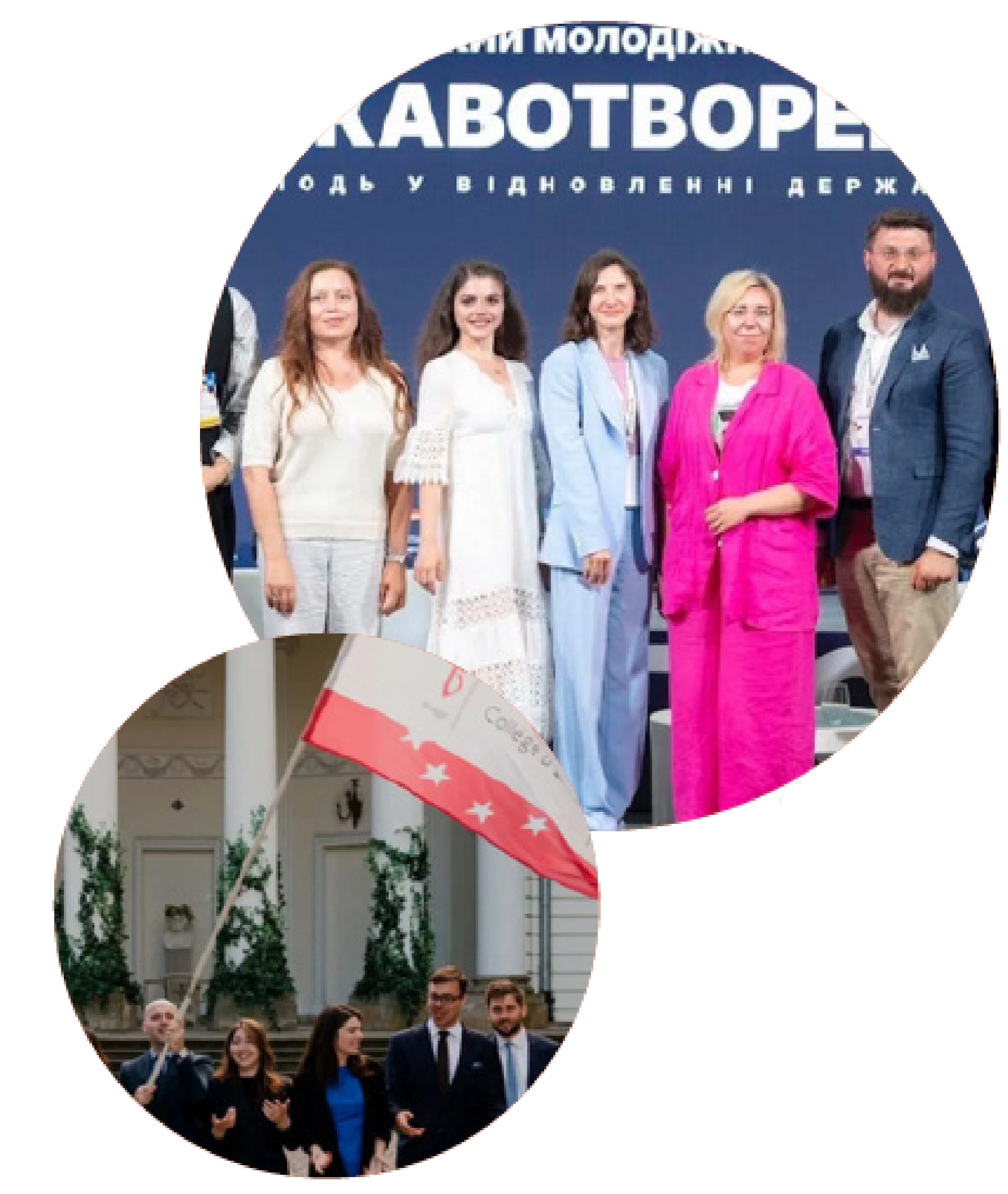
The All-Ukrainian Youth Forum ‘State Builder: Youth in State Recovery’ brought together nearly 500 key stakeholders and young leaders to discuss the inclusion of youth in recovery efforts.
EU4Youth CoE Natolin: Start of the Natolin Fellowship Programme
Further extending the College of Europe partnership, EU4Youth launched a new Natolin fellowship programme targeted at young PhD students and recent graduates from Georgia, Moldova and Ukraine.
August
EU4Youth at the International Youth Conference in Moldova
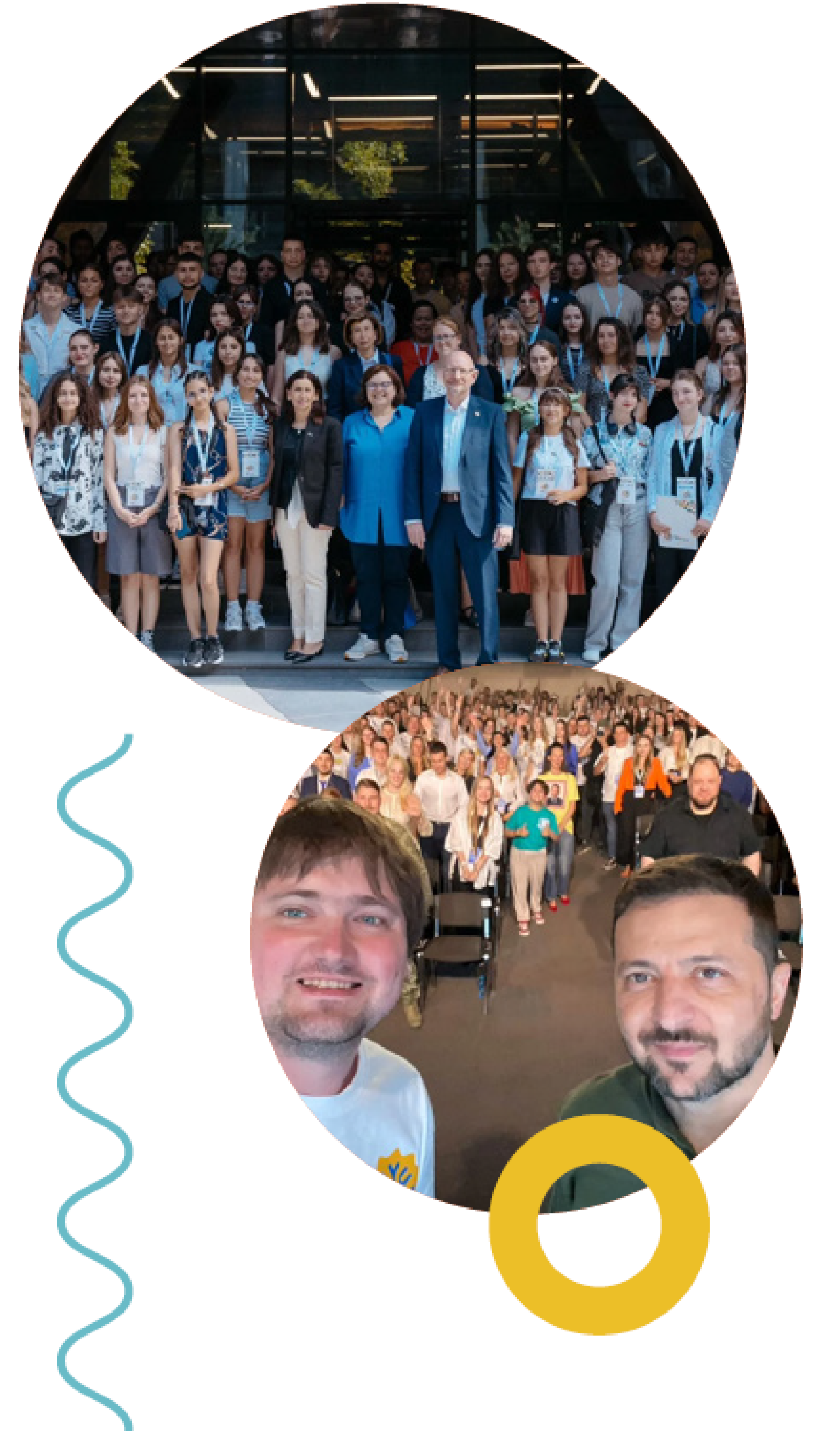
The International Youth Conference in Moldova brought together over 100 young people from Moldova, Armenia, Denmark, Ukraine and Germany, discussing the role of youth in societal developments.
EU4Youth at the International Youth Day Forum in Ukraine
The Youth Forum marked International Youth Day with the participation of key national and international figures, including the President of Ukraine, Volodymyr Zelenskyi.
September
EU4Youth Study visit to Wroclaw for public officials
From 9-13 September, EU4Youth organised a study visit for EaP public officials and CSOs representatives to Wroclaw, Poland, focusing on youth policy and local-level youth participation.
EU4Youth Study visit to Lithuania, Latvia, and Estonia
From 15-21 September, representatives from state institutions and civil society organisations, including youth councils and NGOs, visited Lithuania, Latvia, and Estonia, focusing on youth employment and youth participation.
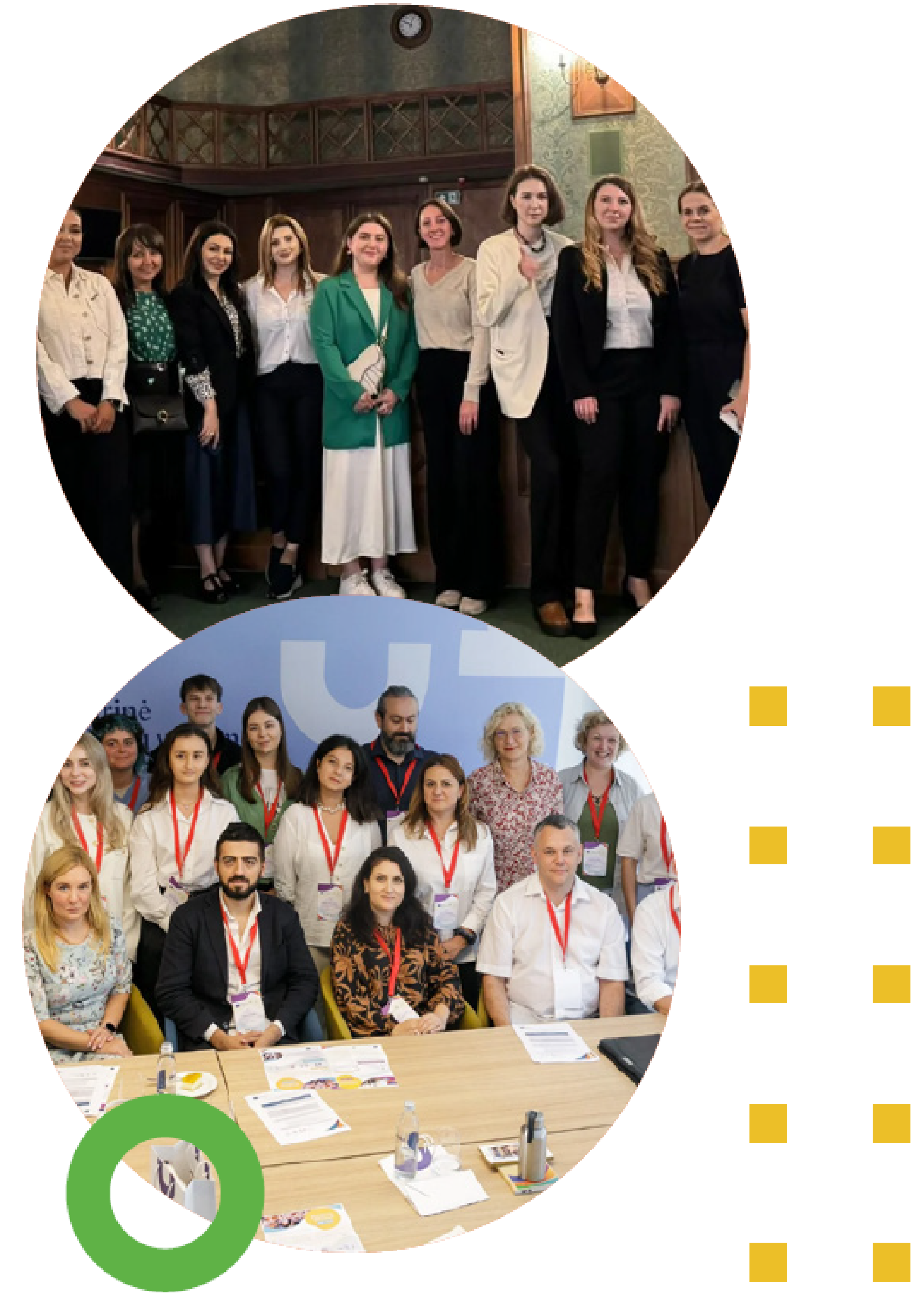
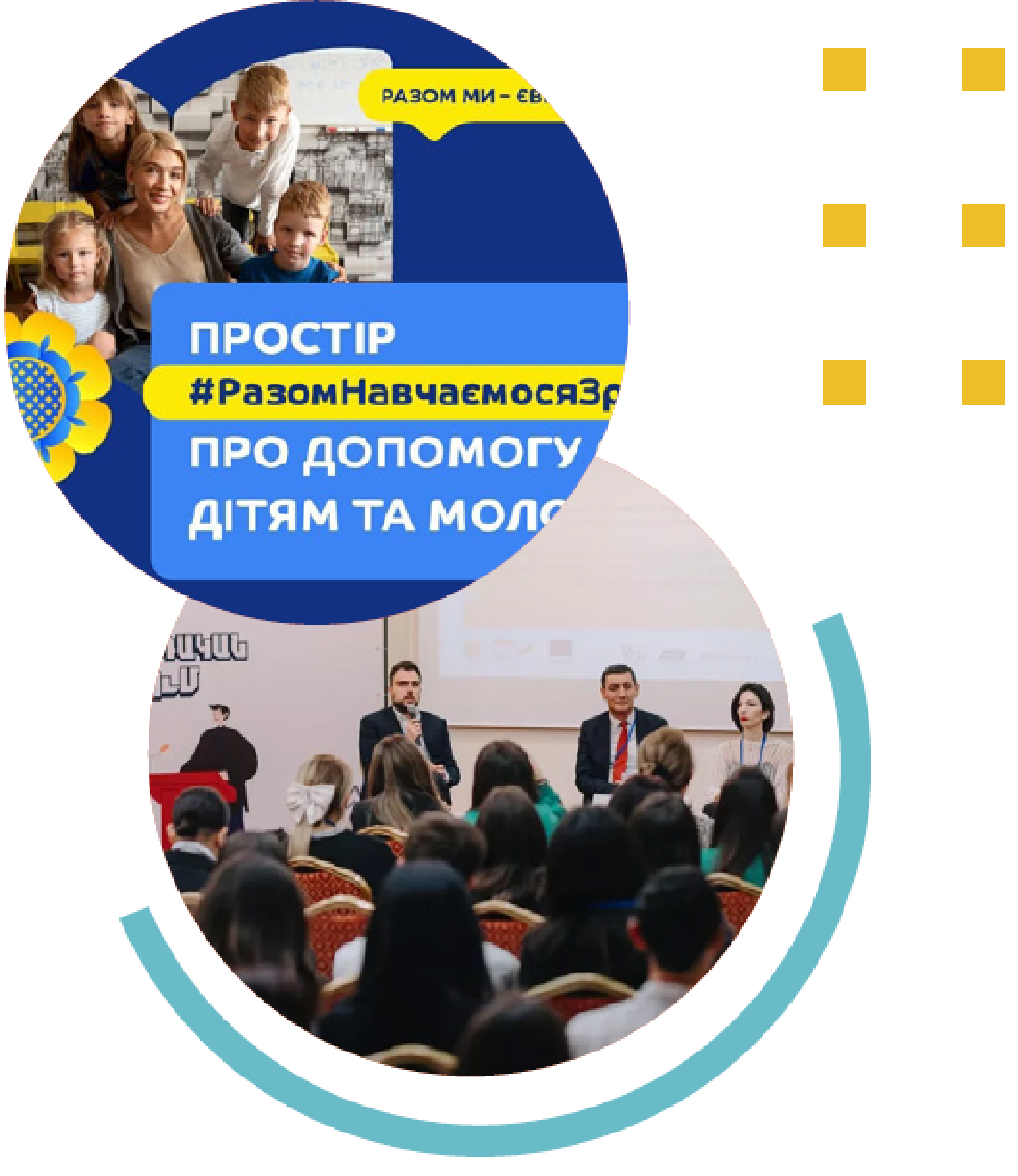
EU4Youth at the “Together We Learn and Grow” event on 28-29 September in Kyiv, Ukraine.
The ‘EU4Youth: Youth Employment and Entrepreneurship’ project showcased developed tools, such as the @fairemployment quizzes.
EU4Youth at the Annual Youth Forum 2024 in Armenia
The Annual Youth Forum in Armenia provided a dynamic platform for meaningful dialogue, collaboration and action on youth issues.
October
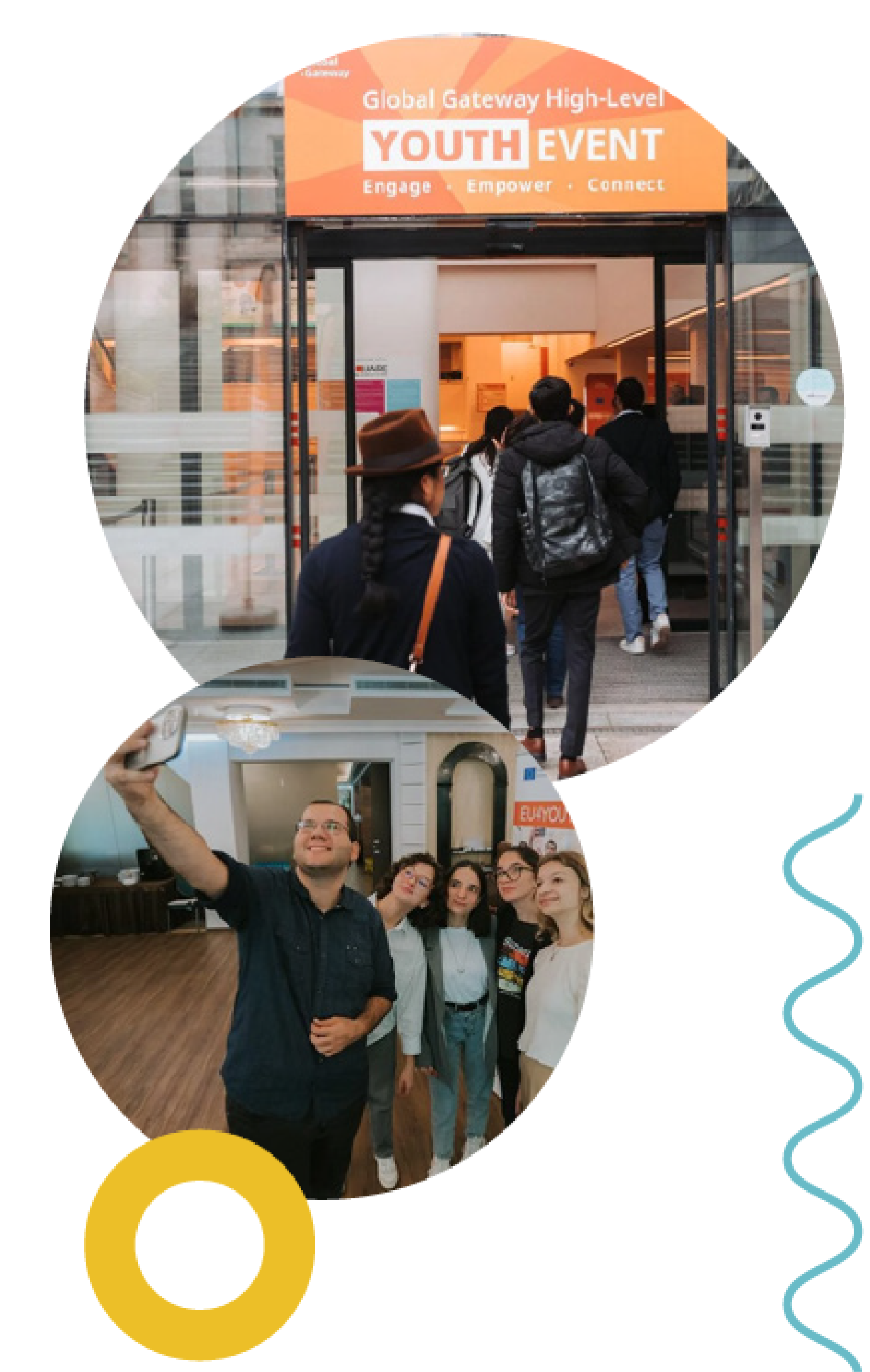
EU4Youth at the Global Gateway High-Level Youth Event
The Youth Event in Brussels highlighted the transformative impact of the EU youth agenda, celebrating achievements and new partnerships, and connecting youth networks.
Fourth EU4Youth Alumni Network cycle concludes in Chisinau, Moldova
Alumni, mentors and support staff gathered to analyse their achievements and exchange lessons learnt at the closing event.
November
EU4Youth supports National Conference of Youth Organisations in Moldova
From 29 November to 1 December, the National Conference of Youth Organisations brought together over 25 Moldovan NGOs to reflect on lessons learnt from the 2024 presidential elections and to explore Moldova’s prospects for European integration.
December