Engagement and Empowerment
In 2025, young people across the Eastern Partnership region continued to demonstrate their critical role as drivers of democratic resilience, community development and social change. Despite an increasingly challenging civic space in parts of the region, youth remained active in shaping local and national agendas and defending democratic values. As Moldova and Ukraine advance in their EU accession processes, young people are not only following reforms, but also actively influencing them. At the same time, youth in rural and disadvantaged communities have taken on new leadership roles, challenging long-standing barriers to participation.
Against this backdrop, EU4Youth placed emphasis on empowering youth to generate tangible, lasting impact in their communities and countries. Throughout 2025, EU4Youth continued to expand its support to youth organisations and institutional actors across the Eastern Partnership region. A total of 57 capacity‑building programmes were implemented across Armenia, Georgia, Moldova and Ukraine, targeting youth organisations, public institutions, and local authorities involved in youth policy and youth work. These activities strengthened organisational capacities, professional skills, and institutional practices related to youth participation, inclusive policymaking, and structured dialogue. As a result, national and local systems were better equipped to enable young people to meaningfully shape decision‑making processes. Youth organisations, public institutions and local authorities received targeted support to design and facilitate inclusive participatory environments, contributing to increased youth engagement in policy processes and local initiatives.
In 2025, a total of 3,349 individual beneficiaries were directly reached through EU4Youth grant‑funded activities. This figure refers to people (not institutions) who benefited directly from the programme, including participants in civil society fellowships and individuals who took part in international mobility activities other than trainings. Moldova accounted for the largest share of beneficiaries (1,383), followed by Armenia (853), Ukraine (822) and Georgia (291).

These figures reflect the broad human reach of programme activities, spanning civil society capacity‑building initiatives and mobility opportunities, and demonstrate EU4Youth’s efforts to ensure access to meaningful engagement for young people from diverse backgrounds.
In 2025, the EU4Youth:Engagement and Empowerment, implemented by GiZ, demonstrated that strategic investment in youth leadership and participatory governance yields tangible results:
- 13,567 young people increased their awareness of national developments
- 3,547 contributed to policy drafts
- 254 revived local community structures
Importantly, support extended to youth from disadvantaged, conflict‑affected, or remote areas, ensuring that empowerment efforts translated into broader social inclusion. The initiatives highlighted in this chapter illustrate how young people, when equipped with skills, resources, and platforms, can become catalysts for democratic reform, community resilience, and social innovation across the EaP region, with EU4Youth helping to transform engagement into sustained, youth‑led action.
Advancing youth voices
Across the region, youth involvement in policy processes remained a central focus. In 2025, 3,547 young people participated in Youth Policy Labs and policy events. Participation was highest in Ukraine (1,938), followed by Armenia (585), Georgia (554) and Moldova (470). Female participation reached 1,874 young women (52.8%), while 2,238 disadvantaged youth (63.1%) were engaged, ensuring strong inclusivity in policy dialogue.
The programme facilitated 43 policy discussions, supporting continued dialogue between youth, civil society and public authorities.
The programme further strengthened youth ecosystems by supporting 87 youth structures in 2025, including youth councils, youth centres and local youth advisory groups – 15 in Armenia, 33 in Georgia, 14 in Moldova and 25 in Ukraine. Youth awareness of national policy developments also increased, with 2,867 young people informed through programme activities (notably 1,501 in Ukraine, 488 in Armenia, 442 in Georgia, and 436 in Moldova).
Importantly, 935 young people across the region started participating in policy development after receiving EU4Youth training – the majority of whom were young women (516) and disadvantaged youth (663), illustrating a strong conversion from skills‑building to real civic engagement. Ukraine (542 participants), Armenia (279) and Moldova (114) were the largest contributors.
EU4Youth Alumni Network
The EU4Youth Alumni Network has, over five cycles since 2019, become one of the most effective mechanisms for expanding meaningful youth engagement across the entire Eastern Partnership region, including Azerbaijan and Belarus. Built on a simple but powerful premise – supporting young people who previously benefited from EU mobility and non-formal learning programmes to become youth workers and local changemakers – the Network mobilises Alumni to deliver inclusive, participatory youth initiatives in underserved communities. Through repeated cycles of mentoring, hands-on youth work, codesign with disadvantaged young people and national and international capacity building, the Alumni Network has fostered a new generation of youth leaders who connect EU values with local realities, strengthening social cohesion, activating youth participation, and expanding access to opportunities in communities where structured youth work is often limited or absent.
Across its first five cycles (2019-2025), the EU4Youth Alumni Network has delivered measurable and cumulative impact:
- 346 Alumni trained and supported to design and lead inclusive youth initiatives
- 199 Alumni-led initiatives implemented across six countries.
- 2,234 sustained youth work activities each representing repeated sessions with the same group, not one-off events.
- 4,486 direct beneficiaries, including 3,316 disadvantaged youth, receiving regular structured youth work, often for the first time.
- Over 9,800 indirect beneficiaries engaged through community actions, events and campaigns.
- 104 young people supported to access EU and international mobility opportunities across cycles.
- Presence in over 80 regions across the Eastern Partnership, including rural districts, conflict-affected areas and hard to reach localities.
Most notably, several of the initiatives launched by the Alumni have persisted even after the respective cycle or the Network concluded its activities.
The fifth cycle of the EU4Youth Alumni Network, held between September 2024 and July 2025, marked one of its strongest years of youth engagement, demonstrating the maturity of the model and the sustained commitment of Alumni across the region., Over this period, the Network supported 60 Alumni across five countries, who implemented 28 youth initiatives and 313 activities in 31 regions, reaching 708 direct beneficiaries, of whom 449 were disadvantaged youth. This cycle deepened the Network’s inclusivity by expanding its presence in rural and remote areas, and by strengthening approaches tailored to young people facing socio‑economic barriers, displacement, disability, or limited access to youth services.
 A key feature of this cycle was the enhanced capacity building and support architecture, including an international IdeaLab, national midterm evaluations, strengthened mentoring (rated the highest value support measure at 9.3/10), and redesigned peer-to-peer review sessions, which significantly increased the relevance of online components (average score of between 7.3 and 8.5). Alumni reported strong gains in confidence, leadership, project management and youthwork competences, with ratings of 8.6 for personal development and 8.9 for professional development.
Initiatives implemented under the fifth cycle created safe, participatory spaces for young people to learn, collaborate and engage with their communities. Beneficiaries showed notable improvements in communication, teamwork, leadership and civic awareness and, in several cases, progressed to applying for international mobility opportunities with Alumni support. Community level impact included stronger local partnerships, increased youth participation in civic life, and the creation of new opportunities, clubs and local support structures.
Overall, the fifth cycle confirms the Alumni Network as a high impact, low cost, scalable model that builds inclusive youth ecosystems while reinforcing the positive role of the EU in partner countries.
Enhancing the quality of youth work
The EU4Youth Coordination and Policy Support project, implemented by Ernst & Young, prepared new youth work-focused contributions for the Youth Wiki. The Youth Wiki serves as an online knowledge platform presenting structured information on youth policies across European and Erasmus+ countries.
In cooperation with the Council of Europe - EU Youth Partnership, the EU4Youth programme continuously updates and expands country-specific reports for EaP states on a range of youth-related themes, providing an overview of key developments, emerging challenges, and notable progress within the region.
Policymaking through participatory dialogue
Throughout 2025, the EU4Youth programme supported structured and inclusive youth dialogue by strengthening cooperation between public institutions, youth organisations and young people themselves. Building on previous years, EU4Youth actions focused on creating safe and participatory spaces for youth engagement, while adapting approaches to restrictive or crisis‑affected environments.
 Across the year, the programme mobilised young people and institutional stakeholders at scale: 3,547 young people took part in policy dialogue platforms, Youth Policy Labs and other policy‑focused events, enabling them directly to engage with decision‑makers at local, national and regional levels. Their contributions fed into 43 youth‑related policy discussions and the development of 49 new policy recommendations, 40 of which were implemented during the year, showing tangible policy uptake.
Youth Policy Labs
A Youth Policy Lab (YPL) is a collaborative, multi-stakeholder process that uses co-creation and design thinking methods to address complex policy challenges affecting young people. Bringing together youth, policymakers, public institutions, and other relevant actors, these labs create structured spaces where young people help to define problems, propose solutions, test new approaches, and contribute to policy recommendations. This participatory format ensures that youth perspectives are integrated throughout the policymaking cycle and that resulting measures are better aligned with their needs.
In 2025, a total of 554 young people took part in YPLs, including 320 young women, who represented a significant share of participants, and 152 disadvantaged young people, demonstrating strong efforts to ensure inclusiveness and representation of vulnerable groups. These participation levels reflect the continued strengthening of youth engagement structures across the region, with Youth Policy Labs providing accessible spaces for young people to contribute to policymaking, gain civic competencies, and collaborate with institutional actors.
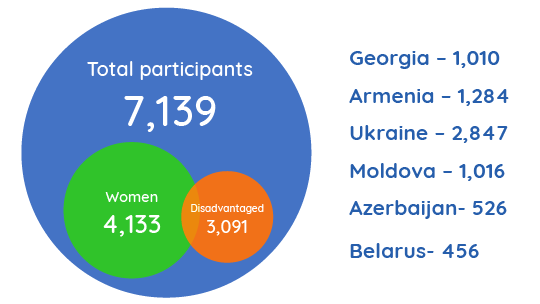
EU4Youth has played a central role in strengthening participatory governance, youth empowerment, and cooperation between institutions and young people across the region. Youth Policy Labs proved especially effective in shifting participation from one-off consultations to meaningful co-creation, helping young people and public authorities jointly to identify challenges, design solutions, and test new approaches. Evidence from Armenia, Georgia, Across Armenia, Georgia, Moldova and Ukraine, programme implementation demonstrated consistent improvements in policy dialogue, trust‑building, and institutional learning, contributing to more responsive and participatory policymaking. Moldova, and Ukraine shows consistent gains in dialogue, trust building, and institutional learning, contributing to more responsive policymaking, as evidenced below.
Across Armenia, Georgia, Moldova and Ukraine, the Labs produced 89 policy recommendations, several of which were taken up by municipal and national institutions. In many communities, YPLs led to tangible improvements in youth-authority cooperation, such as joint action plans, newly established consultation mechanisms, and pilot initiatives in areas including participation, civic engagement, accessibility and youth employment.
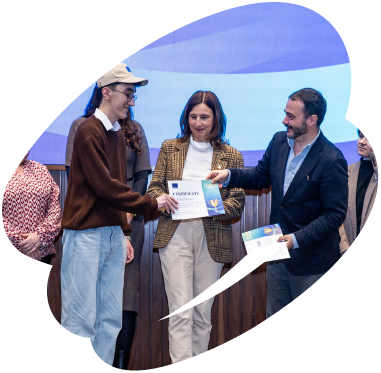 The Youth Policy Labs also contributed to a wider cultural shift in youth participation, moving from ad‑hoc consultation towards structured and sustained co‑creation between young people and decision‑makers. This transition was supported by the regional methodological assistance provided through the EU4Youth Coordination and Policy Support Youth Policy Labs (YPL) Hub, which was established to harmonise and strengthen the implementation of Labs across the Eastern Partnership. Support included a common Youth Policy Lab framework, capacity‑building and training modules for facilitators, regular cross‑country peer‑learning exchanges, and the development and publication of the EU4Youth Youth Policy Labs Toolkit.
The Toolkit provides step‑by‑step guidance on planning, implementing and following up Youth Policy Labs, clearly defining roles, competencies, and the full YPL cycle, and helping distinguish Labs from other participatory formats. Together, these resources helped ensure consistent quality, methodological rigor and comparability of Youth Policy Labs across countries, while supporting meaningful, evidence‑informed engagement between young people and public authorities.
These methodological resources now form a durable foundation that can be reused and adapted in future phases or successor programmes, enabling deeper, more systematic and sustainable youth participation in policymaking. Across the region, Youth Policy Labs reshaped the relationship between young people and policymakers. Young participants gained leadership, analytical, and communication skills while contributing directly to policy development. Public authorities gained deeper insight into youth needs and improved their ability to design evidence-based, youth responsive programmes.
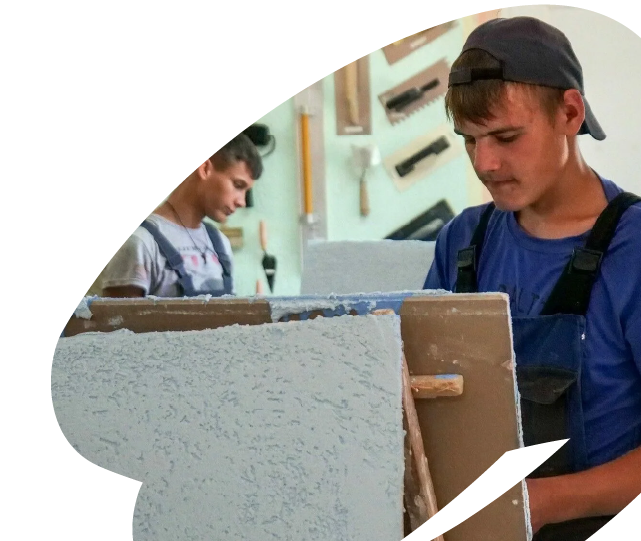 In Ukraine, YPLs influenced the content and structure of several local youth programmes. In Armenia and Georgia, the Labs strengthened problem identification and supported coordinated action between municipal authorities, youth organisations, and educational institutions. In Moldova, the challenges encountered generated important learning that informed stronger YPL designs for 2025 through improved co-hosting and cofinancing models.
Overall, YPLs have become a catalyst for cultural and institutional change, embedding participatory methods, strengthening institutional responsiveness, and empowering young people as active partners in policymaking. They leave behind a more resilient architecture of participation – one that can support inclusive, innovative, and youth‑driven policy development across the Eastern Partnership.
Capacity building of youth stakeholders
Capacity‑building efforts prioritised peer learning, exchange of practices and the acquisition of practical skills needed to support participatory youth dialogue in diverse and often challenging contexts. In 2025, EU4Youth implemented 40 capacity‑building programmes across Armenia, Georgia, Moldova and Ukraine. These programmes directly benefited 655 institutions, strengthening their technical and organisational capacity to engage young people and to design and facilitate inclusive, evidence‑based participatory processes.
In 2025, the programme reinforced the role of youth associations and youth councils as critical intermediaries connecting young people with public decision‑makers. Across the region, EU4Youth supported 87 youth structures with training and technical assistance including newly established bodies and reactivated councils that had previously become inactive. This strengthened their institutional resilience and expanded opportunities for formal youth participation.
EU4Youth small grants scheme
In 2024-2025, the EU4Youth small grants scheme implemented through the GIZ-led EU4Youth: Youth Engagement and Empowerment project was a powerful instrument for expanding youth work, strengthening civic ecosystems, and enabling young people to become local changemakers. With 33 small grants awarded across Armenia (9), Georgia (9) Moldova (6) and Ukraine (9), the scheme created a region-wide network of youth-led initiatives that strengthened democratic participation and built resilience in communities affected by conflict, displacement and shrinking civic space.
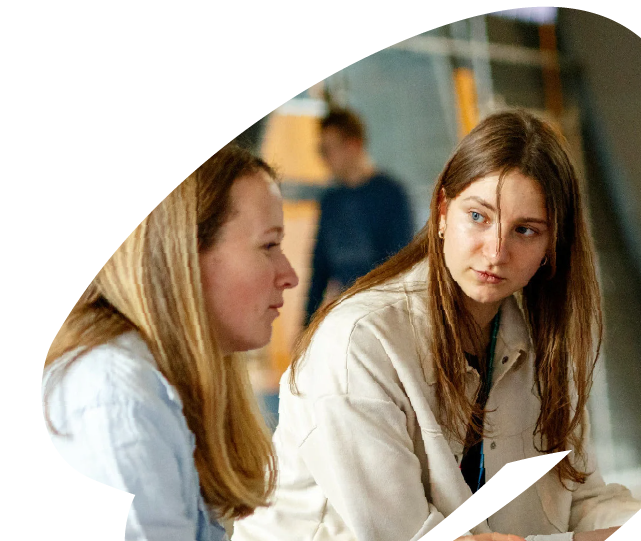 The small grants deliberately targeted local, emerging and under-resourced youth organisations, including those operating in rural areas, conflict-affected regions, and minority communities. This approach allowed EU4Youth to reach segments of the population that are often excluded from national programmes, such as internally displaced youth, ethnic minority youth, young people with disabilities, and adolescents experiencing war-related trauma. By enabling youth actors who understand their communities best, the scheme delivered tangible improvements in youth empowerment and local governance across the EaP.
Across all four countries, the small grants catalysed a surge in youth-led projects, uplifting young people as creators of solutions rather than passive beneficiaries. Many projects followed a similar impact arc:
- Youth gain skills and confidence through targeted workshops, leadership sessions, and mentorship.
- They identify local problems, from environmental degradation to exclusion of vulnerable youth.
- They design and implement their own initiatives, rooted in community realities.
- Their actions influence decision-makers and produce durable changes in local governance, community cohesion, and public awareness.
A defining impact of the EU4Youth small grants scheme was its ability to reach youth living in marginalised and conflict-affected areas. Across Ukraine and Armenia, the small grants played an essential role in supporting displaced and war-affected young people, not only by providing psychosocial support, but also by creating practical pathways into leadership, civic education, and community engagement.
Dozens of initiatives gave displaced youth their first real sense of stability and belonging. For example, the Karabakh-led community projects, launched through the Pathways Youth Academy, enabled displaced young people from the cities of Goris, Gyumri and Yerevan to design solutions for their new communities. Their initiatives ranged from career orientation sessions and youth clubs to cultural events and hiking groups, each one helping participants reconnect socially and emotionally while contributing to local life. These projects were created by teams of displaced youth who had completed training in civic education, leadership, social entrepreneurship and mental health support, equipping them with both the confidence and the practical tools to act. Many participants are already continuing their projects independently, organising follow-up activities months after the programme ended – a clear sign of restored agency, resilience and community rootedness.
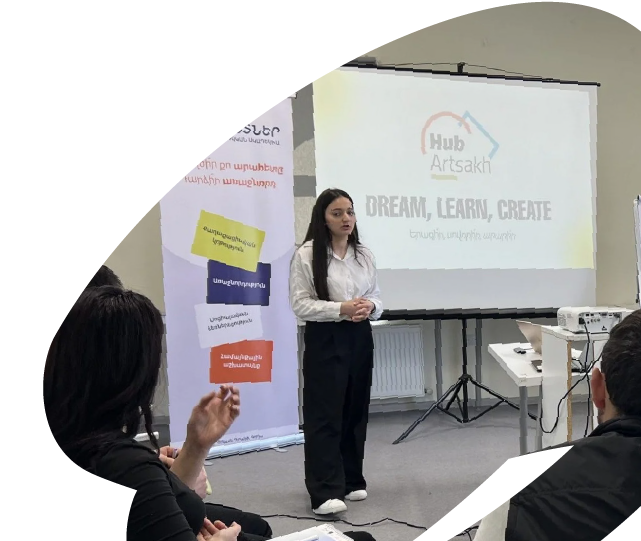 For example, the Pathways Youth Academy in Armenia equipped 60 displaced young people from Nagorno Karabakh with leadership, civic education, and entrepreneurship skills, enabling them to launch seven youth-led community projects across the country. Similarly, in Dilijan, the DUCO Leadership School trained rural youth, helping them to design four community initiatives and enabling their regular participation in local council meetings, often the first time that young people from these villages had been invited into municipal decision making. The initiative supported affected young people, not only by providing psychosocial support, but also by creating practical pathways into leadership, civic education, and community engagement.
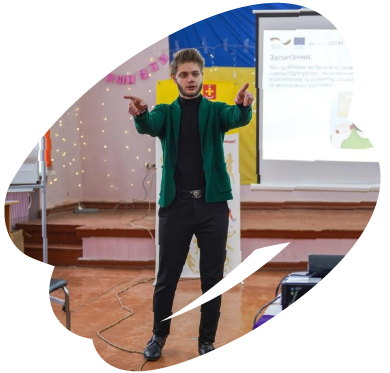 In Ukraine, the grants supported frontline youth to take active roles in reconstruction and recovery processes. Through the Youth Plan for the Restoration of Sumy Region, young people organised five ideathons (brainstorming events), which led to 12 concrete recovery proposals, and even drafted a collective youth manifesto that was shared with 10 local governments, amplifying the voices of communities directly affected by the war. In Odesa region, the Public Academy of Invincibility engaged 261 young people, supported Roma youth to launch their own initiative, and brought together over 100 participants for a regionwide youth forum.
In Georgia, a wide range of youth‑focused initiatives contributed to strengthening civic participation and community resilience. Across the country, other projects helped young people to design advocacy campaigns, facilitate consultations with local authorities, and develop policy recommendations rooted in community needs, demonstrating remarkable agency even under crisis conditions. In wide youth forums across the Javakheti and Guria regions, minority youth gained access to new civic and educational opportunities, such as learning programmes and language exercises, that strengthened community cohesion while building confidence to lead local initiatives.
The EU4Youth small grants scheme also created transformative opportunities for ethnic, linguistic, and national minority youth in Georgia and Moldova. In Georgia’s Kvemo Kartli, Samtskhe Javakheti, and Guria regions, minority youth gained access to new civic and educational opportunities, such as the Anidabani language learning programme, which delivered 20,000 new Georgian language exercises and engaged 500 ethnic minority pupils through meetings in local schools. In Akhmeta and Pankisi regions, Georgian and Kist youth took part in civic trainings, mock elections, and cultural festivals, strengthening intercommunity cohesion while building confidence to lead local initiatives.
In Moldova, the grants expanded civic participation in communities where youth engagement has historically been limited.
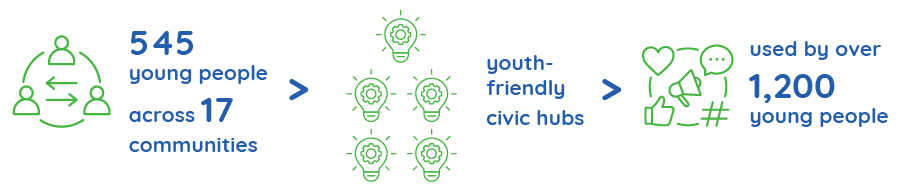
The Youth Civic Engagement Initiative in Ștefan Vodă engaged 545 young people across 17 communities, established five youth-friendly civic hubs, which are now used by over 1,200 young people for dialogue and innovation.
Elsewhere, minority youth in the Taraclia, Basarabeasca, and Gagauzia regions formed three youth initiative groups, implemented community projects, and developed action plans that were formally submitted to local authorities. These efforts not only strengthened young people’s sense of belonging and empowerment but also improved trust between minority communities and local institutions, opening new channels for cooperation where meaningful youth participation had previously been rare.
In 2025, EU4Youth supported 87 youth structures across the four countries: 15 in Armenia, 33 in Georgia, 14 in Moldova and 25 in Ukraine, providing durable entry points for youth participation in municipal and national decision making. These structures were complemented by 45 formal youth policy discussions convened during the year, linking young people, CSOs and authorities.
What began as micro-projects frequently translated into long-term governance tools, improving transparency, responsiveness and youth dialogue in municipalities. Across the four countries, the grants helped:
- Establish new youth councils (196 newly formed or supported youth structures)
- Activate dormant youth structures in remote municipalities
- Set up youth-friendly spaces (5 spaces in Moldova now serving over 1,200 young people)
- Introduce feedback and consultation mechanisms between municipalities and youth
- Generate policy briefs, action plans and recovery proposals adopted or considered by local authorities (20 developed in 2025)
A significant share of the small grants supported youthdriven environmental action, enabling young people across the region to take leadership in addressing climate challenges and promoting sustainable practices within their communities.
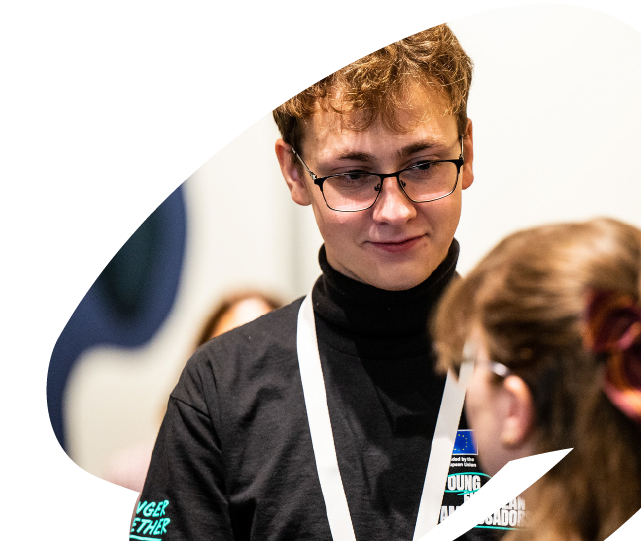 In Moldova, innovative Eco‑Hackathons brought together motivated students and young innovators to develop digital tools, green business concepts, and creative environmental solutions, while renewable‑energy awareness programmes reached 350 high‑school students, introducing them to practical applications of sustainability and inspiring some to pursue future careers in the field.
In Armenia’s Syunik and Aragatsotn regions, youth mobilised around hands‑on environmental campaigns that combined awareness‑raising with concrete action, from tree‑planting to local conservation initiatives.
In Georgia, peereducation networks and a series of youthled microprojects helped young people in four municipalities promote climate literacy, encourage environmentally responsible behaviour, and initiate local actions to mitigate climate risks. By pairing environmental education with advocacy, practical engagement, and community mobilisation, these grants nurtured a growing cohort of young environmental leaders equipped to drive longterm sustainability efforts across the Eastern Partnership.
Across the 33 grants, organisations embraced a diverse and replicable repertoire of youth work methods - from leadership labs, hackathons, and design-thinking workshops to peer mentoring platforms, youth-led research, and mobile civic exhibitions. Hybrid online-offline models extended these approaches to displaced and hard-to-reach youth, while simulated decision-making processes gave young people direct experience of democratic practice. These methods have clear potential for regional scaling and cross-country adaptation.
The most compelling evidence of impact comes from youth testimonies gathered across all four countries. Young people who joined with limited civic awareness or low self-confidence consistently reported meaningful growth: stronger civic literacy, greater willingness to engage with authorities, and new leadership roles in their schools and communities. Many went on to pursue volunteering, education, or advocacy on their own initiative, and a significant number continued their projects well beyond the original grant timeline - a clear indication of genuine ownership and sustainability.
Taken together, the EU4Youth small grants scheme has demonstrated that targeted micro-investments can generate change at a much larger scale. The 33 projects collectively strengthened youth participation ecosystems, expanded the quality and reach of youth work services, fostered inclusive democratic dialogue, and mobilised thousands of young people across the region. In doing so, they also built cross-regional solidarity and laid practical groundwork for future national youth policies.
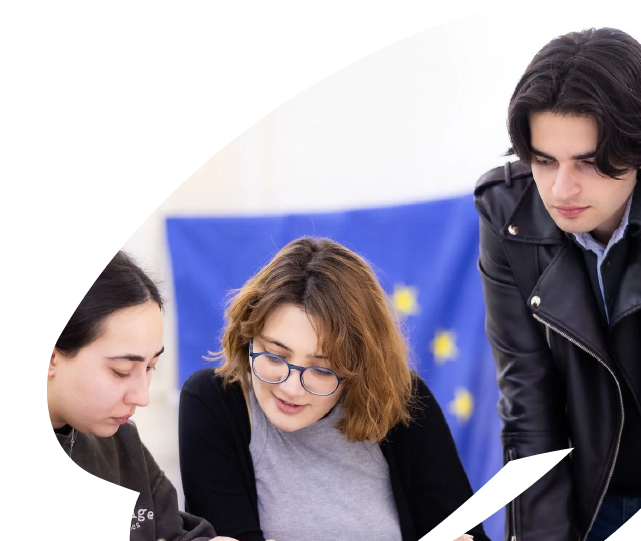 In 2025, EU4Youth small grants did more than amplify young people's voices: they positioned youth as active partners in shaping community resilience, social inclusion, and democratic progress across the Eastern Partnership region.
Youth participation: country highlights
Youth in Armenia taking the lead
Across Armenia, the small EU4Youth grants fundamentally shifted who gets to participate in community life and how young people influence local decisions. In Dilijan’s remote villages, where youth had long been excluded due to lack of transport and opportunities, the DUCO Leadership School enabled 24 young people to participate regularly for the first time, resulting in youth-led needs assessments, project proposals, and community initiatives that did not exist before. This created a new generation of rural youth who are no longer passive observers but agents shaping solutions in their own villages.
In Lori, the project broke through longstanding institutional barriers: youth entered municipal buildings for the first time, met directly with mayors and council members, and saw their ideas taken seriously. This changed both sides – youth gained the confidence to approach local authorities, and local officials acknowledged that the project served as a “first real practice of dialogue” with young people. The result was a new relationship of trust that continues beyond the grant, with municipalities offering their halls, resources, and staff to host youth activities.
The Armavir Youth Inclusion Initiative achieved impact where it had previously been impossible: with a dedicated social worker, the organisation successfully engaged young people with disabilities, displaced youth from Nagorno-Karabakh, and ethnic minority youth, many participating in public life for the first time. Through informal brunch dialogues and a youth hackathon, participants co-created three mechanisms for improving youth-municipality cooperation, which municipalities later pledged to integrate into official practice, an institutional change directly triggered by youth ideas.
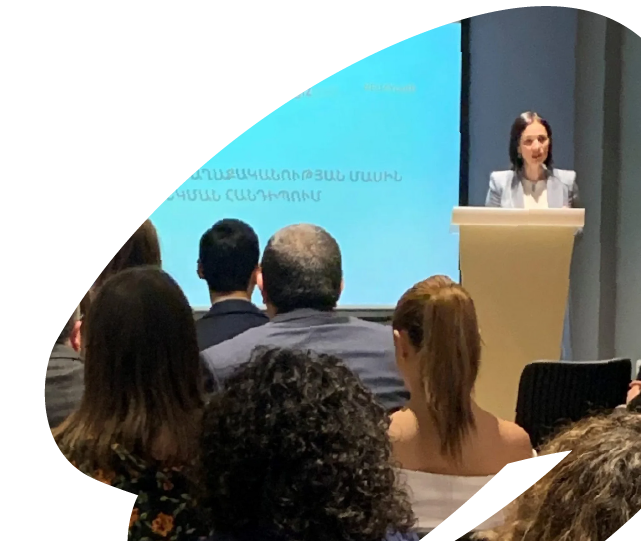 Across all three regions mentioned, the EU4Youth grants transformed local youth ecosystems by building new social bonds across villages, backgrounds, and identities. Participants from remote areas formed inter-village networks; ethnic minority youth and young people with disabilities became visible leaders; and displaced youth found platforms to regain stability and purpose. Many young people have already replicated debates, simulations, and initiatives in other communities, showing clear evidence of ownership and ripple effects beyond the project lifespan.
These community‑driven shifts at the local level were mirrored by significant advances at the national level, where structural reforms further strengthened Armenia’s youth policy landscape. A major milestone was the successful adoption of the Youth Policy Law, following sustained technical and coordination support provided by EU4Youth to the Ministry of Education, Science, Culture and Sports (ESCS) and the Youth Organisations Union. The law progressed through parliamentary debates and was ultimately adopted and signed by the President, marking a historic step forward for youth policy reform in the country.
Youth participation in policymaking was significantly strengthened through the nationwide implementation of the programme’s 15 Youth Policy Labs, engaging approximately 400 young people from all regions of Armenia. With a finalised methodology and trained facilitators, the Labs enabled structured dialogue between young people and local authorities, resulting in concrete policy recommendations tailored to local needs. By the end of the year, all Youth Policy Labs had been successfully completed, producing comprehensive recommendation packages that fed into broader national discussions, including the National Youth Forum 2025, where over 1,000 participants took part in the opening session and 153 actionable recommendations were developed.
Capacity building of youth organisations remained a core priority. In partnership with the Youth Organisations Union, EU4Youth implemented targeted capacity-building activities, strengthening the organisational management, sustainability, and leadership skills of youth organisations from across the country. In addition, thematic workshops involving around 90 young people and municipal representatives enhanced local capacities for youth engagement and inclusive decision-making, contributing to stronger cooperation between youth actors and local authorities.
At the community level, EU4Youth supported the successful implementation of nine youth-led grant projects, which generated tangible impact across multiple regions. These initiatives included leadership schools, hackathons, public awareness campaigns, environmental actions, and civic engagement activities, reaching diverse groups of young people and demonstrating innovative approaches to youth participation and community development. All grant projects were completed successfully, generating strong results and transferable good practices. Armenia hosted a regional study visit for representatives of youth CSOs and public institutions from Eastern Partnership countries, showcasing Armenian experiences in youth policy development and participation. Armenian youth and government representatives further strengthened international cooperation through participation in European level events, including the Council of Europe Conference of Ministers responsible for Youth and EU‑supported exchanges and study visits.
Georgia’s emerging civic leaders

“We managed to gain the trust of those who were initially very sceptical about youth empowerment.”
— Head and founder of one of the grantee NGOs
Across Georgia, several EU4Youth initiatives achieved meaningful shifts in youth participation by turning some of the country’s most persistent barriers – geographic isolation, linguistic divides, social exclusion, and disability related obstacles – into pathways for civic engagement. One example is the project Promoting Akhmeta and Pankisi Youth Engagement and Unity for Community Resilience, implemented by the Youth Centre Illuminator. In Akhmeta’s remote villages, the Illuminator initiative transformed long‑standing disengagement into active youth leadership. Young people who had never previously participated in any training were brought into civic activities, identified key community problems across five areas, and helped organise intercultural events that revived an inactive youth organisation and established a sustainable model for engaging village‑level youth.
In Kvemo Kartli region, the Step Toward Success project strengthened civic readiness among Azerbaijani- and Russian-speaking youth through bilingual learning, structured internships, and advocacy processes that enabled participants to analyse public service gaps and design solutions, even within a politically constrained municipal environment. And in Imereti region, the Coalition for Independent Living empowered disadvantaged and disabled young people to navigate municipal mechanisms, co-draft policy proposals, and publicly articulate their needs, while also increasing local awareness on disability inclusion through accessible communication tools.
“I didn’t know I had these rights, because men in my municipality usually met in teahouses, where I couldn’t join. Now I know my rights and feel confident to ask to be included.”
— Young woman from one of the trainings
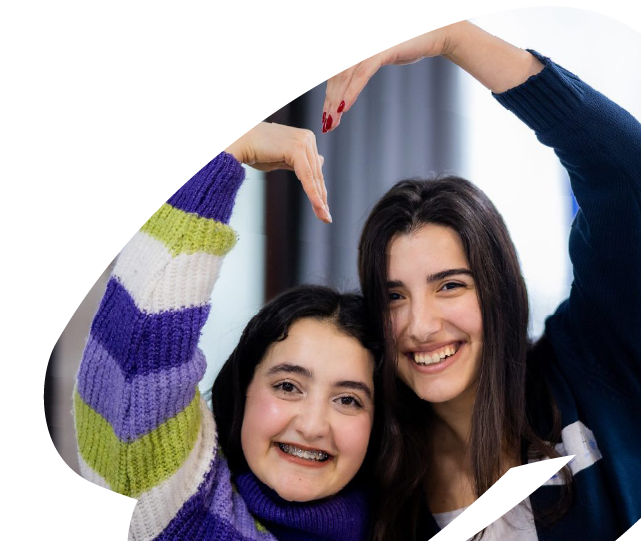 Together, these initiatives demonstrated that when logistical, linguistic and societal barriers are deliberately removed, young people across diverse regions not only gain confidence and skills, but also step forward with concrete proposals, new civic identities, and strengthened networks that make local decision‑making more inclusive and representative.
These efforts also laid foundations for long‑term change by equipping young people with practical civic tools, and strengthening local organisations capable of sustaining engagement beyond project timelines. As a result, people from these regions now benefit from a more prepared, motivated, and connected generation of youth who are likely to remain active contributors to community life well into the future.
The foundations laid through these community‑driven initiatives were complemented by higher‑level policy work that expanded opportunities for youth engagement nationwide.
A central pillar of the year’s EU4Youth efforts in the country was the implementation of Youth Policy Labs (YPL), which provided structured platforms for dialogue between young people, vocational education institutions, and civil society. Across multiple municipalities, YPL cycles engaged young people in identifying barriers to participation, developing policy recommendations, and piloting micro experiment projects, particularly in the areas of youth participation, engagement, and VET-related employment. The YPL process culminated in draft policy recommendations and practical pilot actions, some of which directly contributed to employment outcomes for participating youth.
Capacity building of youth civil society organisations remained a key priority throughout 2025. EU4Youth designed and rolled out a comprehensive capacity‑building programme, combining training sessions, peer‑to‑peer mentoring, and youth CSO forums. Around 50 youth organisations enhanced their competencies in organisational development, strategic communications, youth policy and engagement, access to funding and sustainability. In parallel, the Association of Youth Advisory Councils of Georgia implemented multi‑phase capacity‑building and training‑of‑trainers programmes, empowering youth councils from different municipalities and supporting the implementation of community‑led initiatives.
High-level dialogue and visibility for youth engagement were also strengthened during the year. EU4Youth supported exchanges and meetings between young people and senior decisionmakers, including EU Ambassador level engagements in regional municipalities, which provided youth with direct opportunities to discuss priorities, challenges, and Georgia’s European future. Georgia also actively participated in regional exchanges and study visits, including study visits to Armenia and other EU-supported regional learning formats, fostering cross-country knowledge exchange and cooperation among youth actors and public institutions.
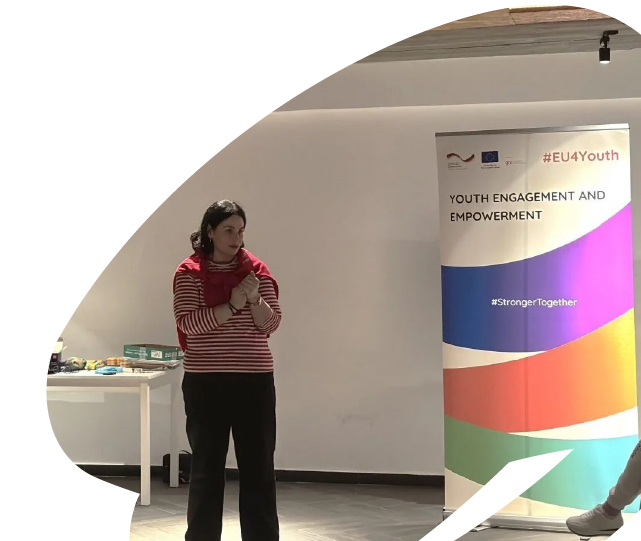
Young voices rising in Ukraine
“I realised I can do much more than I think”
- Valeriia Kozova
The EU4Youth small grant implemented in Ukraine enabled a comprehensive empowerment programme for teenage girls from remote, disadvantaged and conflict‑affected communities, creating an inclusive and motivating space for leadership development. Through a mix of online lessons, in‑person visits, cultural trips, and guided community projects, participants built their confidence, improved their communication skills, and became more active in civic life, many even visiting cities like Kyiv or Lviv for the first time. The programme cultivated a supportive peer environment where girls overcame their fear of public speaking, developed practical project‑management competencies, and learned how to translate ideas into action. Several participants went on to join local youth councils or implement their own initiatives, demonstrating how small‑grant investments can generate sustained civic participation and leadership among young women in wartime Ukraine
Beyond leadership development for young women, EU4Youth small‑grant support also generated significant impact across wider youth communities in remote and conflict‑affected regions of Ukraine. Through complementary initiatives implemented by local partners, young people in frontline and rural areas gained unprecedented access to participation tools, policy dialogue, and opportunities for community‑driven recovery. In Sumy, Konotop, Buryn and Romny, youth who had long been isolated by insecurity and damaged infrastructure were mobilised to co‑create a Youth Manifesto that informed local recovery strategies and opened new channels of dialogue with municipal leaders.
In parallel, a mobile exhibition showcasing international youth‑engagement practices travelled across ten communities, bringing accessible, low‑cost models for civic action directly to small towns and villages and equipping young people with practical tools they could apply immediately. These efforts helped to shift youth from passive beneficiaries to recognised partners in community development, leading to the establishment of youth councils, the allocation of public spaces for youth centres, and stronger collaboration between young people and local authorities. The strengthened organisational capacity of the implementing partners ensures that these participatory mechanisms will continue to grow, supporting sustainable, youth‑led recovery in wartime Ukraine.
This surge in grassroots engagement created a foundation for wider institutional progress, reflected in Ukraine’s national youth policy developments in 2025. EU4Youth played a critical role in strengthening youth participation, institutional capacity, and policy coordination in Ukraine, while adapting its support to the realities of wartime and early recovery contexts. Throughout the year, EU4Youth closely cooperated with the Ministry of Youth and Sports of Ukraine, other sectoral ministries, regional administrations, and youth civil society to ensure that young people remained actively involved in decision making and policy development at national and local levels.
A key area of impact was youth policy coordination and institutional strengtheningyouth policy coordination and institutional strengthening. EU4Youth provided continuous technical and communications support to the Ministry of Youth and Sports, including through an EU4Youth‑funded communications expert, enhancing public outreach and coordination across the youth sector. EU4Youth also actively contributed to Sectoral Working Group Youth meetings, ensuring alignment with national youth policy priorities and effective coordination with other donor‑funded initiatives.
Youth participation in policy dialogue was further strengthened through policy labs, dialogues, and consultative formats. These processes resulted in concrete policy recommendations, including proposals submitted to central and local authorities and contributions to strategic documents such as the State Target Social Programme ‘Youth of Ukraine 2026-2030’. Youth engagement was also promoted through ideathons and policy labs in regions affected by the war, ensuring that young people’s perspectives were reflected in community recovery and resilience planning.
Capacity building of both youth organisations and public officials was a strong focus throughout the year. EU4Youth supported a wide range of national and regional trainings for youth CSOs, youth councils, and public officials responsible for youth policy. These activities strengthened competencies in youth participation, advocacy, inclusion, mental health support, and youth engagement during wartime. Special emphasis was placed on inclusive and barrier‑free approaches, with multiple trainings enabling youth centres and organisations to develop concrete action plans to improve accessibility and non‑discrimination in their work.
EU4Youth also supported a diverse portfolio of youth‑led initiatives implemented by grantee organisations across Ukraine. These projects included youth camps, leadership schools, ideathons, science schools, and community‑based initiatives that empowered young people to contribute to local decision‑making, recovery efforts, and social cohesion. Particular attention was given to vulnerable groups, including young women, internally displaced youth, young veterans, and youth from rural or war‑affected communities. Several initiatives resulted in practical outputs such as policy recommendations, educational materials, advocacy tools, and strengthened networks of youth leaders and organisations.
Finally, EU4Youth facilitated Ukraine’s participation in regional and European exchanges, strengthening peer learning and international cooperation despite ongoing challenges.

Active youth dialogue in Moldova
Across Moldova, the EU4Youth small grants turned first‑time participants from rural and minority communities into confident civic actors, producing visible and lasting changes in local governance and youth ecosystems. In southern localities that previously had no youth centres or participation channels, young people co‑created new youth spaces that now function as permanent hubs for dialogue and community action, including fully operational centres in two villages, Roșcani and Lingura, that continue with municipal funding.
Youth groups that had never approached authorities before now attend council meetings, submit proposals, and secure resources; in Taraclia, youth advocacy led to a tenfold increase in the youth budget, enabling more services and structured activities. A pilot of one‑week internships inside municipalities gave young people first‑hand insight into how local government works; municipal staff reported valuing their contributions, especially on digitalisation tasks, and interns returned as credible partners who helped establish local initiative groups and indirectly mobilised over 750 peers across five communities.
Minority youth from Gagauzia, Taraclia, and Basarabeasca, many accessing civic processes for the first time, held direct dialogues with national and EU institutions, including the EU Delegation and parliamentary representatives. This exposure resulted in concrete follow‑up: several participants applied to the Youth Parliament, others volunteered at national cultural events, and youth in Basarabeasca secured UNICEF funding to equip their local youth centre. In Taraclia, two young women developed research-based reports that prompted the community to rehabilitate a neglected park and plant four hectares of forest, showcasing youth‑led environmental action. Across communities, youth-authority cooperation strengthened, with formal collaboration agreements signed in Taraclia and Basarabeasca and new partnerships emerging with the other NGOs.
Taken together, these shifts, new youth spaces, budget increases, institutional internships, environmental improvements, successful funding applications, and sustained participation, show that when access and mentoring are in place, even the most excluded young people quickly become effective co‑producers of local policy and community change, leaving durable structures and empowered youth networks in their wake.
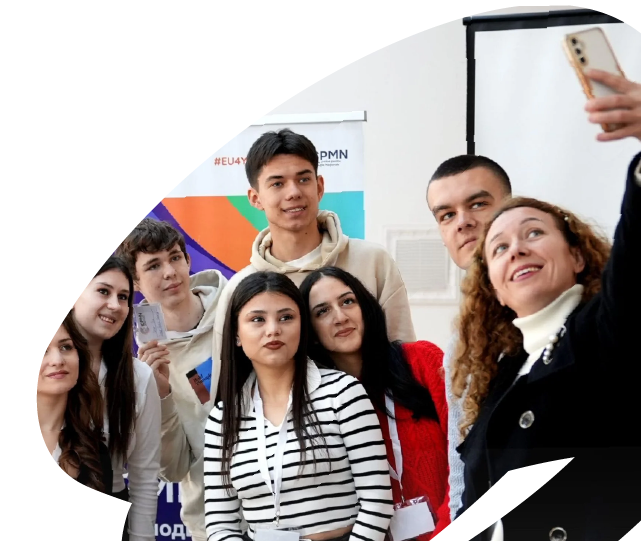 This strengthening of youth participation on the ground was complemented by important national‑level advancements in youth engagement and policy coordination. In 2025, EU4Youth made a strong contribution to advancing youth participation, leadership, and policy dialogue in Moldova through a balanced combination of policy-oriented initiatives, support to youth-led projects, and large-scale civic engagement activities. The year was characterised by a strong focus on inclusive participation, outreach to diverse regions and language groups, and strengthening cooperation between young people, civil society, and public authorities at local and national levels.
Youth participation in decision making was significantly strengthened through the programme-led Youth Policy Labs and structured dialogue initiatives implemented in multiple localities, including Cimișlia, Zubrești, Cupcini, Bardar, and other communities. These processes brought together young people and local public authorities to jointly identify challenges, prioritise needs, and co‑create practical solutions. The labs resulted in concrete local initiatives and recommendations, improving mutual understanding between youth and decision‑makers and enhancing the responsiveness of local governance to young people’s needs.
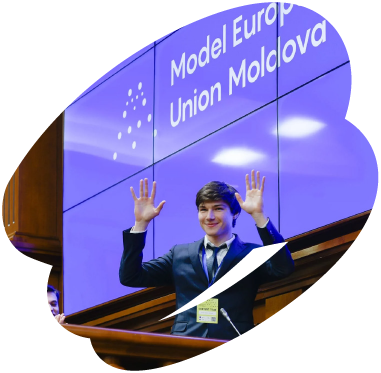 A flagship achievement in Moldova in 2025 was the successful organisation of the EU4Youth Model European Union (MEU) Moldova, which attracted strong nationwide interest, with hundreds of young people registering from cities and villages across the country. The event provided participants with hands on experience of EU decision-making processes, strengthened their understanding of democratic governance, and fostered active citizenship. The MEU generated significant public visibility, wide social media reach, and strong engagement from participants, institutions, and the EU Delegation, positioning it as a key youth civic education initiative in the country.
Particular emphasis was placed on reaching young people from rural areas and vulnerable groups, including NEET (Not in Education, Employment, or Training) youth, ensuring inclusive access to opportunities. Youth organisations and national youth structures benefited from coordination support, mentoring, and learning exchanges, strengthening their ability to represent youth interests and implement quality initiatives.
To further amplify youth engagement throughout the year, EU4Youth supported regional and national youth festivals, forums, and International Youth Day celebrations, which collectively engaged thousands of young people across multiple regions, including Chișinău, Edineț, Ștefan Vodă, and southern and rural localities. These events created platforms for dialogue, networking, and celebration of youth initiatives, while also strengthening cooperation with local authorities and national institutions.
At the national level, EU4Youth advanced youth participation in broader democratic processes through initiatives such as the ‘Youth Vote’ campaign, which combined local debates, offline engagement, and digital outreach to encourage informed participation in civic and political life. The campaign achieved substantial reach and visibility, reinforcing young people’s role as active citizens and contributors to democratic development.